Fringe repair, by hand
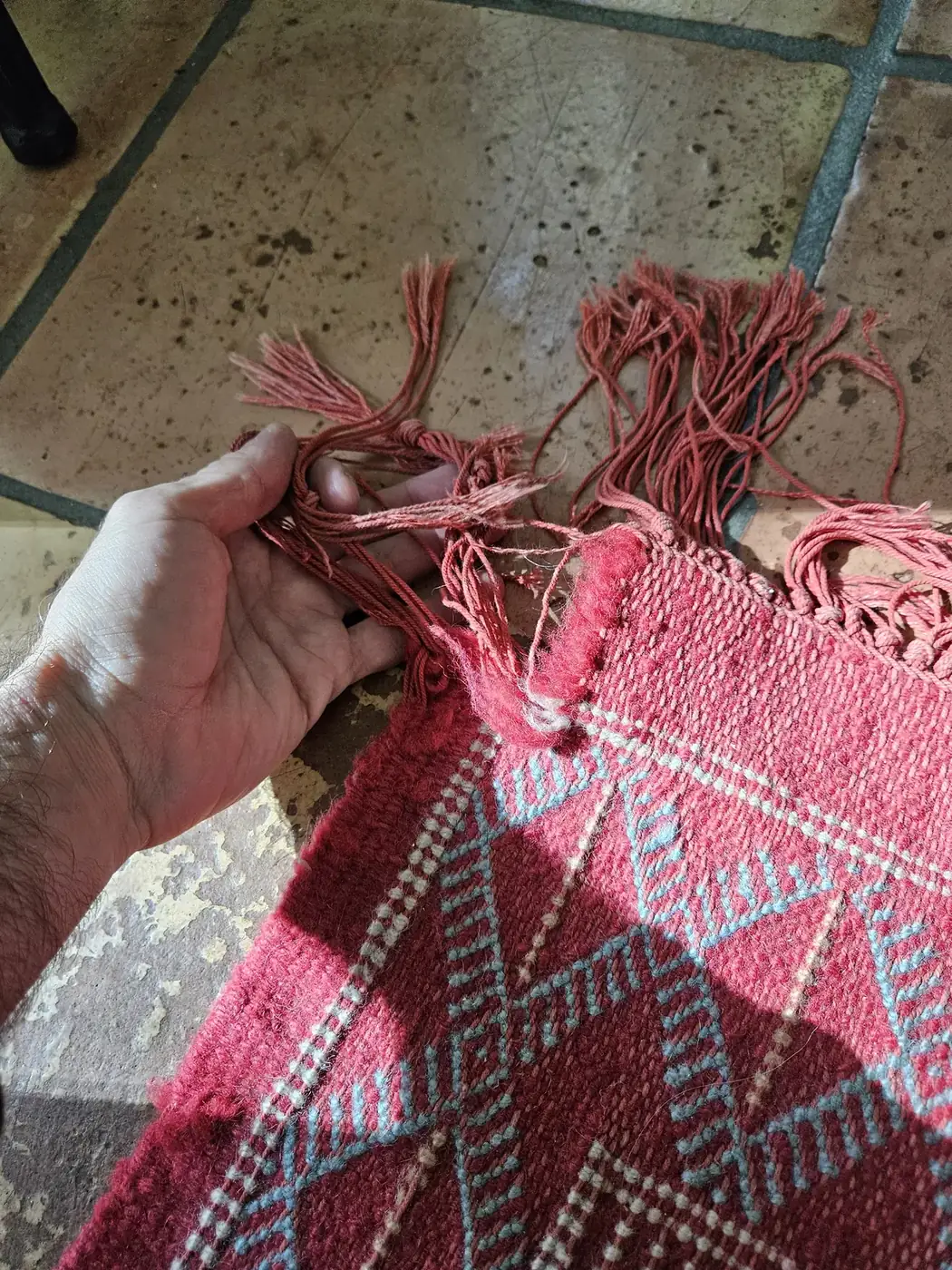
Fringe isn't decoration — it's the warp, the foundation threads the whole rug is tied onto. Once it wears through, the knots start walking out a row at a time. Overcasting binds that edge back down, stitch by stitch, by hand.
Repairs & restoration
Chewed corners, fraying edges, rotted fringe, curling ends — most of it is fixable, and it’s all done by hand at our shop on E Sunrise Blvd. The first thing you get from us is an honest opinion on whether the repair is worth it.
Describe the damage. We'll tell you if it can be repaired and what it takes.
Prefer to talk now? Call or text (954) 892‑6128. Your exact price is set at the inspection — no bait rates, no surprises at the door.
The honest part first
That’s the first question we answer — and sometimes the answer is no.
A hand-knotted Persian with fifty years of life left almost always justifies edge and fringe work. A machine-made rug whose pile is already worn through usually doesn’t; the repair can cost more than a comparable rug.
We’ll never sell you a repair the rug doesn’t deserve.
What we will do: inspect the damage, explain what’s actually happening structurally, and give you a price and a straight recommendation — fix it, stabilize it cheaply, or leave it alone.
Fringe isn't decoration — it's the warp, the foundation threads the whole rug is tied onto. Once it wears through, the knots start walking out a row at a time. Overcasting binds that edge back down, stitch by stitch, by hand.
What we fix
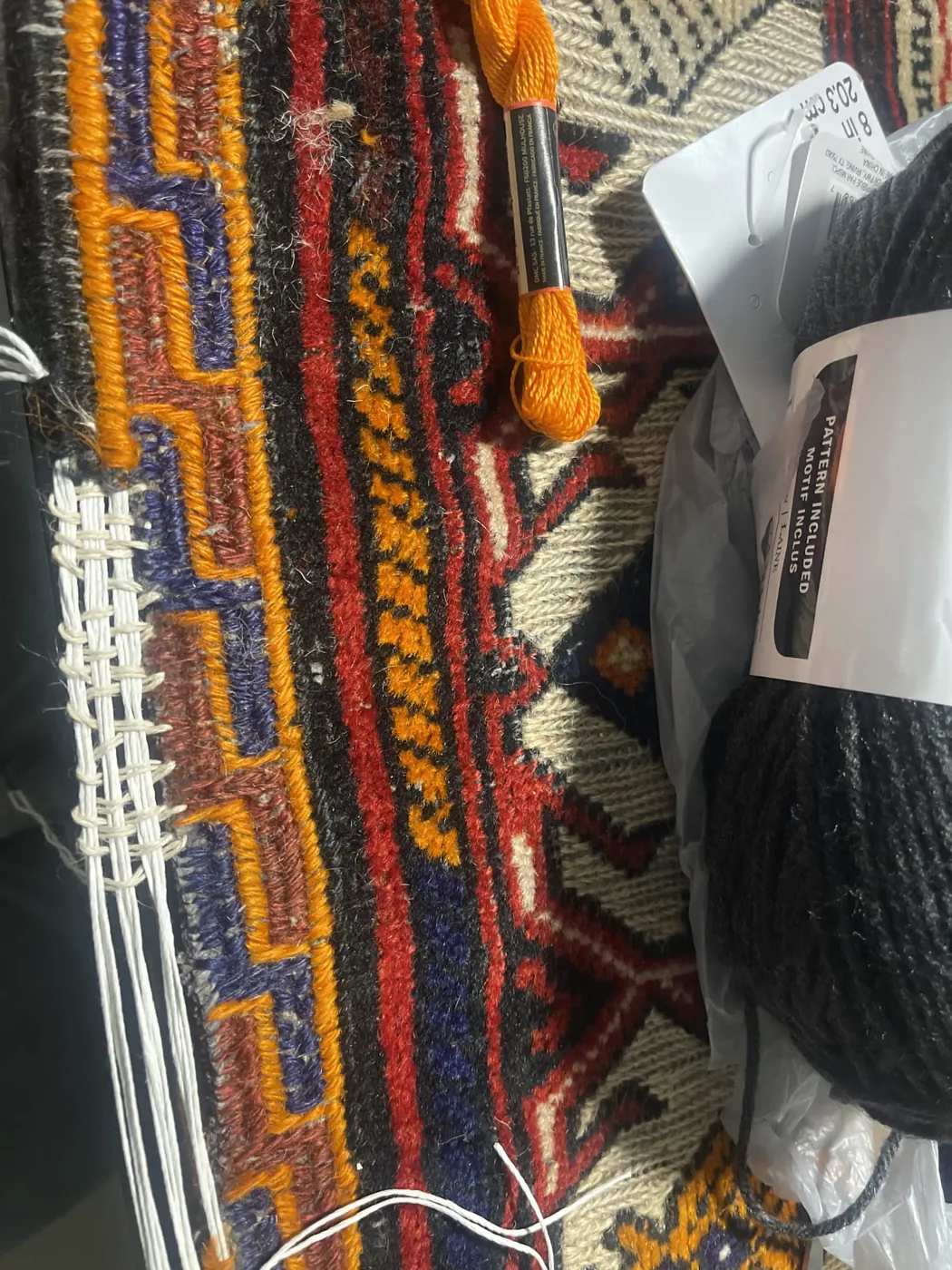
Hand-serging to re-bind edge warps, overcasting of exposed weft loops, and edge reinforcement — the repairs that stop a fraying side from becoming a missing side.
New fringe added or old fringe replaced in cotton, mercerized cotton, wool, or silk — matched to the rug and secured so the foundation stops unraveling.
Patching, stitching of tears and cuts, and re-knotting of lost pile — structural repairs that keep damage from spreading with every vacuuming.
Blocking to square a distorted rug, curling prevention for ends that won’t stay down, and shearing to even a worn or sprouting pile.
Rubber stripping and re-securing failed glue-down backings — a common casualty of Florida humidity on tufted rugs — plus double wrapping for stressed edges.
Rod looping and sewn hanging loops so a tapestry or prized rug can go on the wall without stressing its foundation.
From our workbench
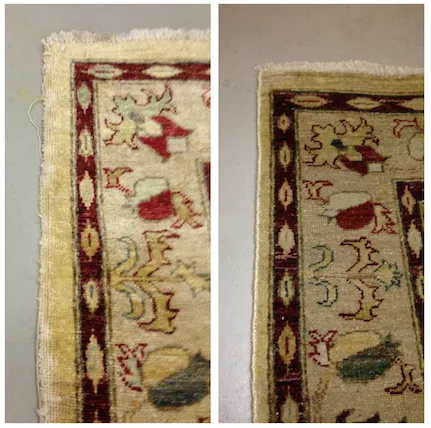
The dog-chewed edge. Fort Lauderdale loves its dogs, and dogs love rug corners. One rug came to us with a hand-made edge chewed straight through the selvage. We rebuilt the corner, reinforced the surrounding warps, and re-serged the edge by hand — the repair disappears into the original weave.
The failed glue-down backing. Humidity slowly defeats the adhesive on glue-backed rugs; the backing separates, bubbles, and sheds crumbs. We strip the failed layer and re-secure it, and the rug lies flat again.
Repair questions
Not always — and we’ll say so. A hand-knotted rug with decades of life left usually justifies the work; a worn machine-made rug often doesn’t. Every repair starts with an inspection and a frank conversation about value versus cost.
Usually, yes — it’s one of the most common repairs on our bench. We rebuild the damaged section, reinforce the edge, and re-serge it by hand so the repair blends into the original construction.
Yes — in cotton, mercerized cotton, wool, or silk, matched to the rug. Fringe is the visible end of the rug’s foundation, so securing it properly also stops further unraveling.
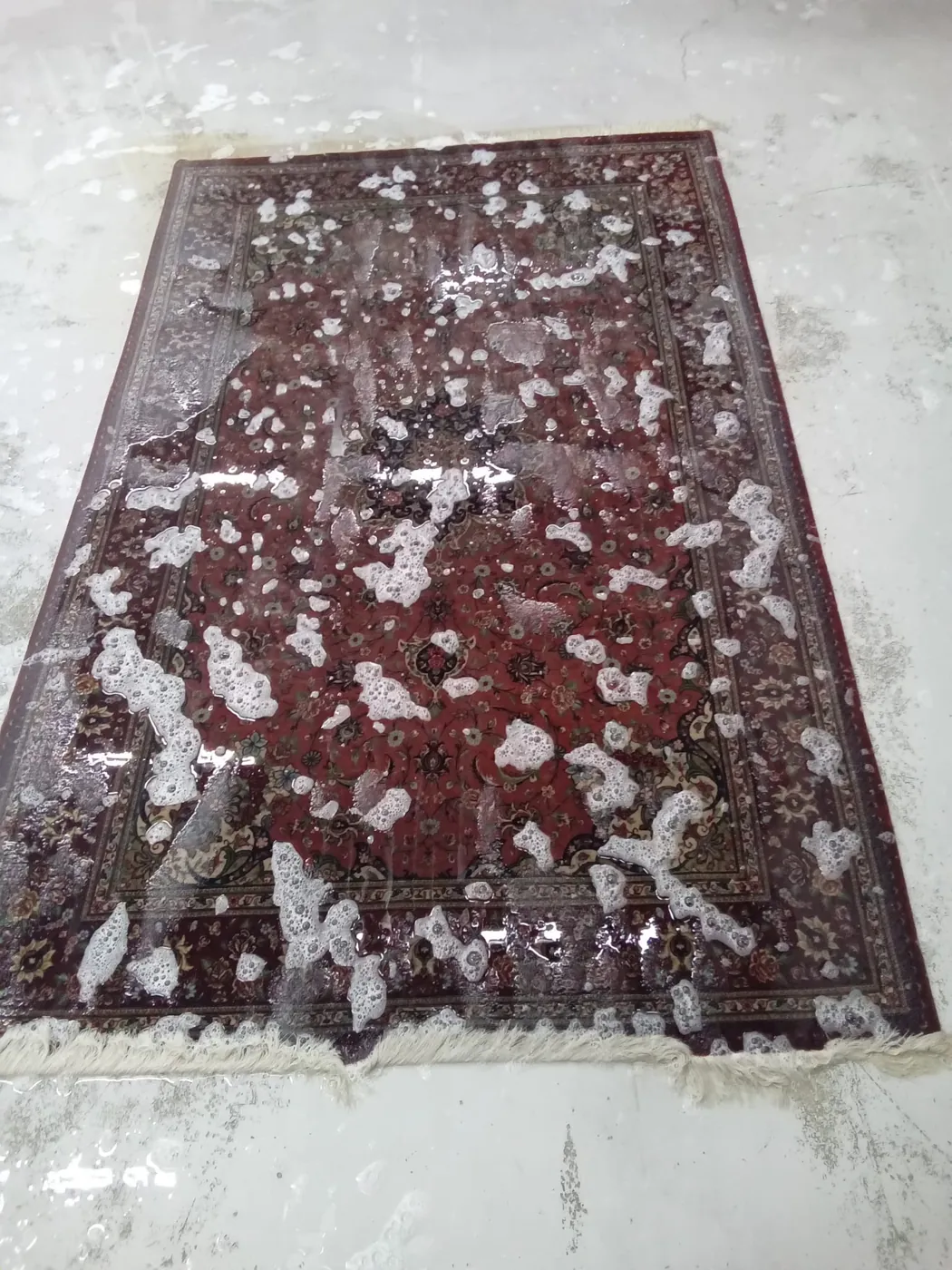
Usually together, in one visit to the shop. Washing first lets us see the true colors for matching; some stabilizing stitches go in before the wash. We sequence it rug by rug — see how the wash works.
Start with a look
Send a photo or book a free pickup — we’ll tell you what the damage is, what fixing it costs, and whether we’d spend the money if it were our rug.